
How to Maintain Your Pool Deck Year-Round Without Costly Repairs

May 18, 2026

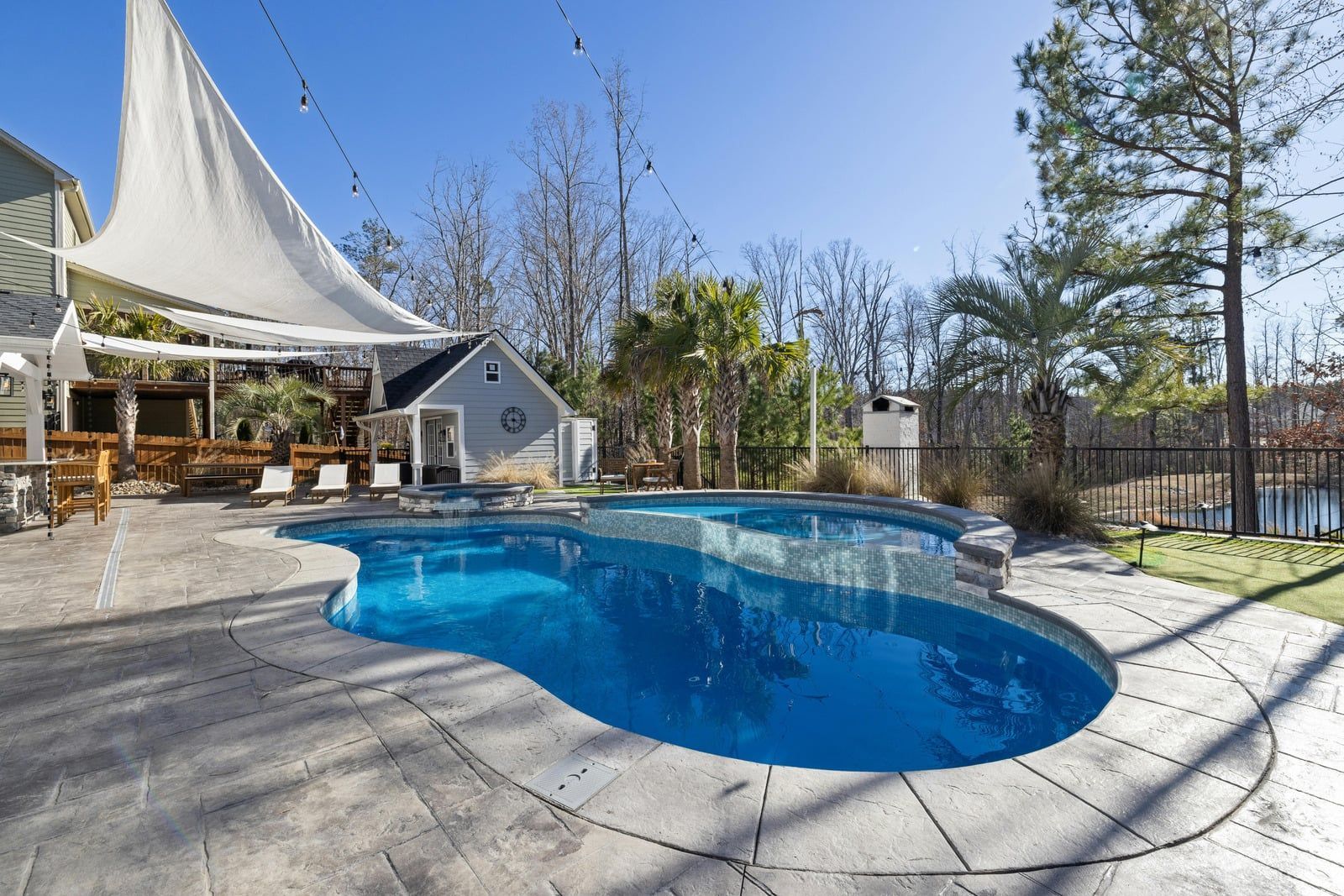
A pool deck serves as more than just a functional space; it sets the tone for outdoor relaxation, family gatherings, and social entertainment. Maintaining a pool deck goes beyond aesthetics—it is crucial for safety, longevity, and preventing expensive repairs. Many homeowners invest heavily in constructing a high-quality deck, only to face deterioration from weather, pool chemicals, and daily wear. Proactive care and timely maintenance can significantly extend the life of a pool deck while keeping it visually appealing and safe for everyone. Regular upkeep also preserves property value and enhances the overall experience of outdoor living, making the deck a centerpiece of home enjoyment.


Understanding the essential steps for year-round pool deck care helps prevent common issues such as cracks, discoloration, and slippery surfaces. Seasonal challenges—ranging from harsh sun exposure in summer to freezing temperatures in winter—require strategic solutions. A comprehensive maintenance plan ensures that every inch of the deck remains durable and inviting, reducing the likelihood of costly repairs or premature replacement. By combining preventive measures, routine inspections, and proper surface treatments, homeowners can enjoy a pool area that is not only attractive but also safe and resilient for years to come. This blog offers practical strategies and expert guidance to keep pool decks in peak condition throughout the year, ensuring a safe, beautiful, and long-lasting outdoor environment.

1. Regular Cleaning: The First Line of Defense

  • Remove Debris and Dirt

    Accumulated dirt, leaves, and pool chemicals can gradually erode the surface of a pool deck over time. Sweeping or using a leaf blower regularly prevents debris from becoming deeply embedded in the material, which could cause unsightly stains or surface scratches. Removing organic matter, such as leaves or algae, is particularly important because it retains moisture and can accelerate long-term deterioration significantly.

  • Pressure Washing and Surface Cleaning

    Pressure washing a pool deck once or twice a year helps remove stubborn stains, mildew, and other environmental buildup. However, using the correct pressure setting is critical for safety. Too much pressure may damage concrete or wood surfaces, while too little may be ineffective. A mild, eco-friendly cleaning solution can assist in breaking down grime without harming the deck material or surrounding landscaping.

  • Benefits of Consistent Cleaning

    Regular cleaning not only maintains aesthetic appeal but also prevents slippery surfaces that can pose serious safety hazards. Clean decks improve traction, reduce algae and mold growth, and help surfaces retain their original texture and natural color, ensuring both functional and visual benefits over the long term.

2. Seasonal Maintenance: Adapting to Weather Challenges

Spring Preparation

Spring is the perfect time to inspect the deck after exposure to harsh winter conditions. Check for cracks, chips, or areas where water may have pooled during freezing temperatures. Addressing these issues early prevents expansion or worsening during warmer months. Sealing concrete or treating wood surfaces before summer ensures maximum protection against UV rays, chlorine, and heavy seasonal foot traffic.

Summer Care

Summer exposes pool decks to intense sun, high heat, and frequent use. UV rays can fade colors and weaken certain materials over time if not properly protected. Using UV-protective sealants or coatings shields the surface while preserving its appearance and durability. Regularly rinsing off chlorine or other pool chemicals after swimming prevents chemical stains or surface degradation from occurring prematurely.

Fall and Winter Strategies

Falling leaves, rain, and fluctuating temperatures pose unique challenges for pool deck maintenance. Keep the deck consistently clear of debris to prevent moisture retention and potential mold growth. For colder climates, avoid using harsh salts or de-icing chemicals directly on the deck, as these can irreparably damage surfaces. Instead, use sand or kitty litter to improve traction safely during icy conditions. Covering the pool and maintaining a dry deck reduces the likelihood of cracks or mildew accumulation significantly.

3. Surface Protection: Coatings, Sealants, and Treatments

Wood and Composite Decks

Wood decks are particularly susceptible to splintering, warping, and discoloration without proper treatment. Applying water-resistant stains or sealants preserves natural wood tones while protecting against moisture damage and seasonal expansion. Composite decking, although low-maintenance, still benefits from periodic cleaning and protective coatings to prevent staining, fading, and minor surface wear caused by foot traffic.

Benefits of Surface Treatments

Protective coatings maintain structural integrity, reduce maintenance frequency, and enhance the visual appeal of a deck for many years. By investing in surface treatments proactively, ongoing repairs can be minimized, preventing costly interventions while keeping the deck safe, durable, and comfortable for regular use.

4. Crack Prevention and Minor Repairs

  • Monitoring and Early Detection

    Small cracks or chips may not seem significant initially but can worsen rapidly over time, eventually leading to expensive repairs. Inspecting the deck regularly, especially after seasonal changes or heavy use, allows for early detection of potential problems. Keep an eye on areas prone to stress, heavy foot traffic, or near pool edges where water accumulation is common.

  • Repair Techniques

    Filling minor cracks promptly with appropriate repair compounds or patching materials prevents water infiltration, which can exacerbate structural damage. For concrete decks, using polymer-modified fillers ensures a durable repair that blends seamlessly with the existing surface and withstands weather conditions. Wood decks require epoxy or wood fillers to maintain structural integrity, prevent splintering, and keep the deck looking uniform and safe.

  • Preventive Practices

    Avoid dragging heavy furniture or sharp objects across the deck, as these actions can accelerate surface damage and cosmetic wear. Placing protective mats under poolside furniture and using rubber-backed rugs in high-traffic areas reduces wear and tear while protecting the underlying material for long-term durability and safety.

5. Addressing Slippery Surfaces and Safety

Anti-Slip Treatments

Pool decks are frequently exposed to water, making slip-resistant surfaces an essential safety measure for everyone. Anti-slip coatings or textured sealants provide additional traction, significantly reducing the risk of slips or accidents. Sand additives can also be incorporated into sealants or coatings to enhance grip even further, especially in high-traffic areas near the pool edge.

Drainage and Water Management

Proper drainage prevents standing water, which not only causes slippery conditions but can also lead to long-term material damage and deterioration. Ensuring that the deck has a slight slope away from the pool, installing drainage channels, and keeping gutters and drains clear enhances safety, preserves materials, and prevents structural issues over time.

Regular Inspections

Safety inspections are not just for aesthetics—they ensure compliance with local safety standards and help identify areas that may require resurfacing or non-slip treatment. Attention to detail during these inspections keeps both the deck and surrounding areas secure for daily use, protecting both people and property from potential hazards.

6. Routine Upkeep and Expert Recommendations

  • Scheduled Maintenance

    Setting up a year-round maintenance schedule helps organize cleaning, sealing, and inspections efficiently without becoming overwhelming. Combining seasonal tasks with routine inspections ensures all aspects of deck care are addressed promptly. Documenting each maintenance activity also aids in tracking the deck’s condition over time and planning preventative measures for future issues.

  • Professional Evaluation

    Periodic professional evaluations identify subtle structural issues that may not be visible to the untrained eye. Experts can provide guidance on material-specific care, recommend coatings or treatments, and suggest minor repairs that often prevent more significant problems from developing over time.

  • Best Practices for Longevity

    • Rinse the deck after every heavy pool use to remove accumulated chemicals and residues.

    • Avoid abrasive tools or harsh cleaning methods that may scratch surfaces or damage coatings.

    • Use high-quality sealants and coatings recommended specifically for the deck material.

    • Keep the deck clear of heavy, sharp, or rough objects that could cause surface damage.

    • Address small issues immediately to prevent escalation into larger, costly problems.

    Adopting these practices ensures the deck remains safe, visually appealing, and structurally durable while minimizing the likelihood of expensive, reactive repairs and preserving the investment for years to come.

Reliable Deck Maintenance Backed by Proven Expertise

Maintaining a pool deck year-round requires a proactive and systematic approach. Regular cleaning, seasonal care, surface protection, minor repairs, and safety-focused strategies form the backbone of a long-lasting, attractive, and safe deck. By following these actionable steps, costly repairs can be minimized while extending the life and aesthetic appeal of the deck. Understanding material-specific requirements, from wood to concrete, and adhering to protective treatments ensures that every season brings enjoyment without compromising structural integrity.


At Gulf Coast Concrete Coatings LLC, over 18 years of expertise in flooring solutions informs every maintenance recommendation. Operating in Pascagoula, Mississippi, we specialize in applying high-quality coatings, sealants, and protective treatments designed to withstand the harshest conditions while maintaining beauty and safety. Our professional guidance focuses on extending the life of pool decks, preventing common issues, and ensuring surfaces remain both functional and visually striking. By prioritizing proactive care and implementing expert-backed maintenance practices, Gulf Coast Concrete Coatings LLC delivers peace of mind for homeowners and property managers. Trust in proven experience, material-specific knowledge, and a commitment to long-term results to keep pool decks safe, durable, and visually stunning throughout the year.

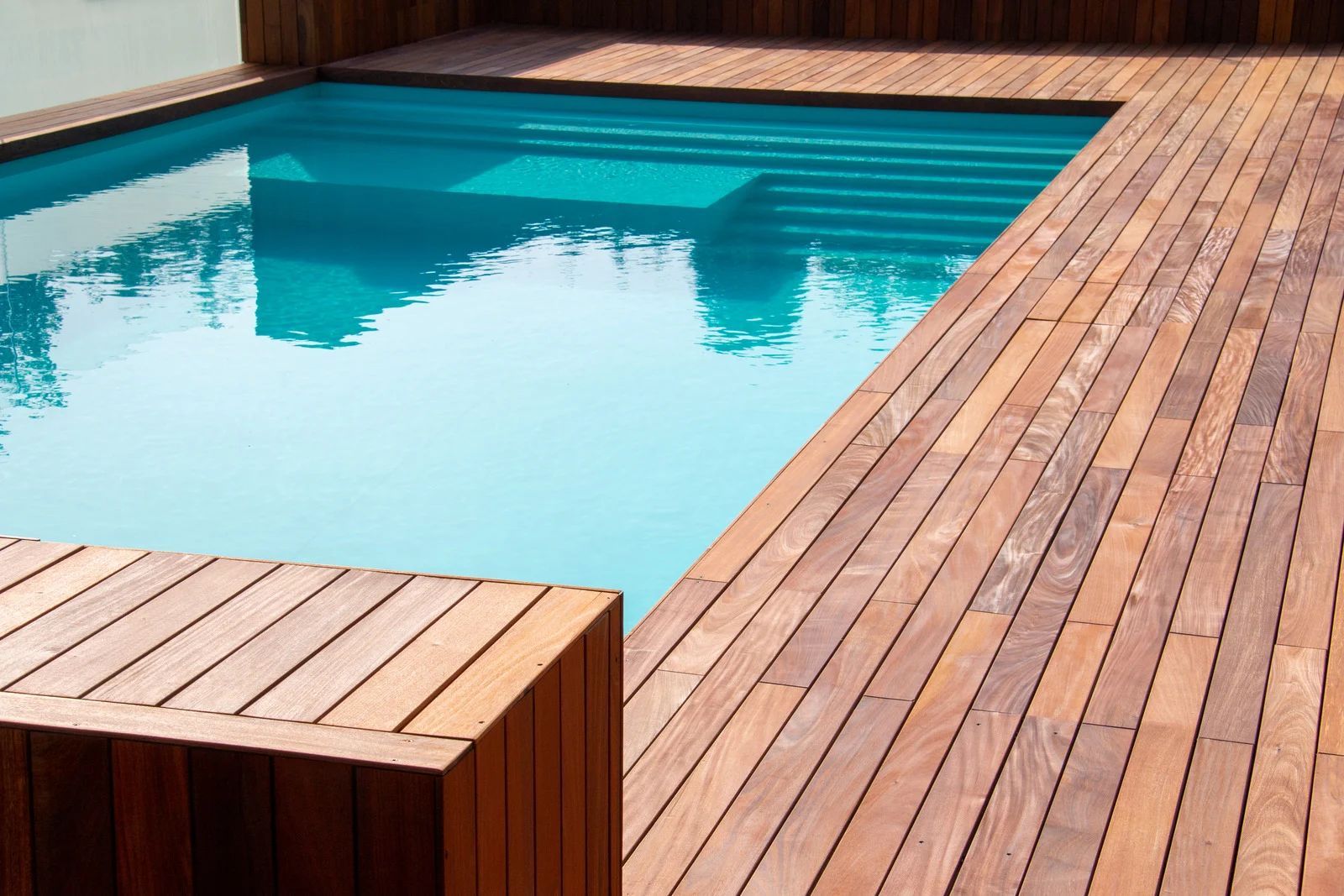
Modern backyard pool with turquoise water and wooden deck planks
April 25, 2026
A pool deck is more than just a functional space around a pool; it is a critical element that enhances the overall aesthetic, safety, and longevity of the pool area. Homeowners, designers, and contractors face the challenge of selecting materials that balance style with durability while providing slip resistance for
A polished hardwood basketball court inside a gymnasium with maroon and white wall banners reading
March 20, 2026
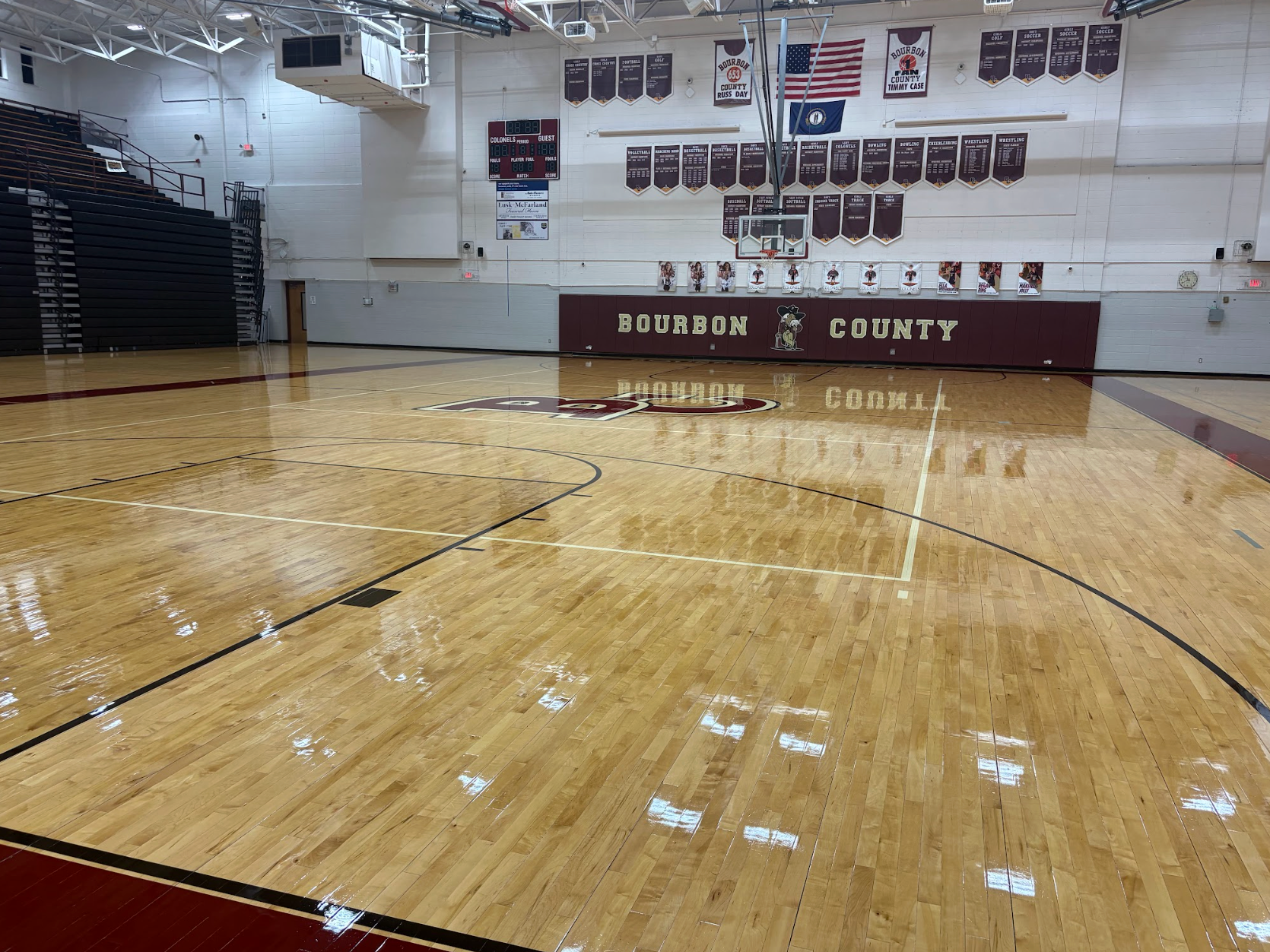
Wooden gym floors face constant stress from shoes, sports equipment, and cleaning chemicals. Over time, minor scratches, scuffs, and dents accumulate.
Close-up of a wood floor. Light and dark brown planks with a glossy finish.
February 26, 2026
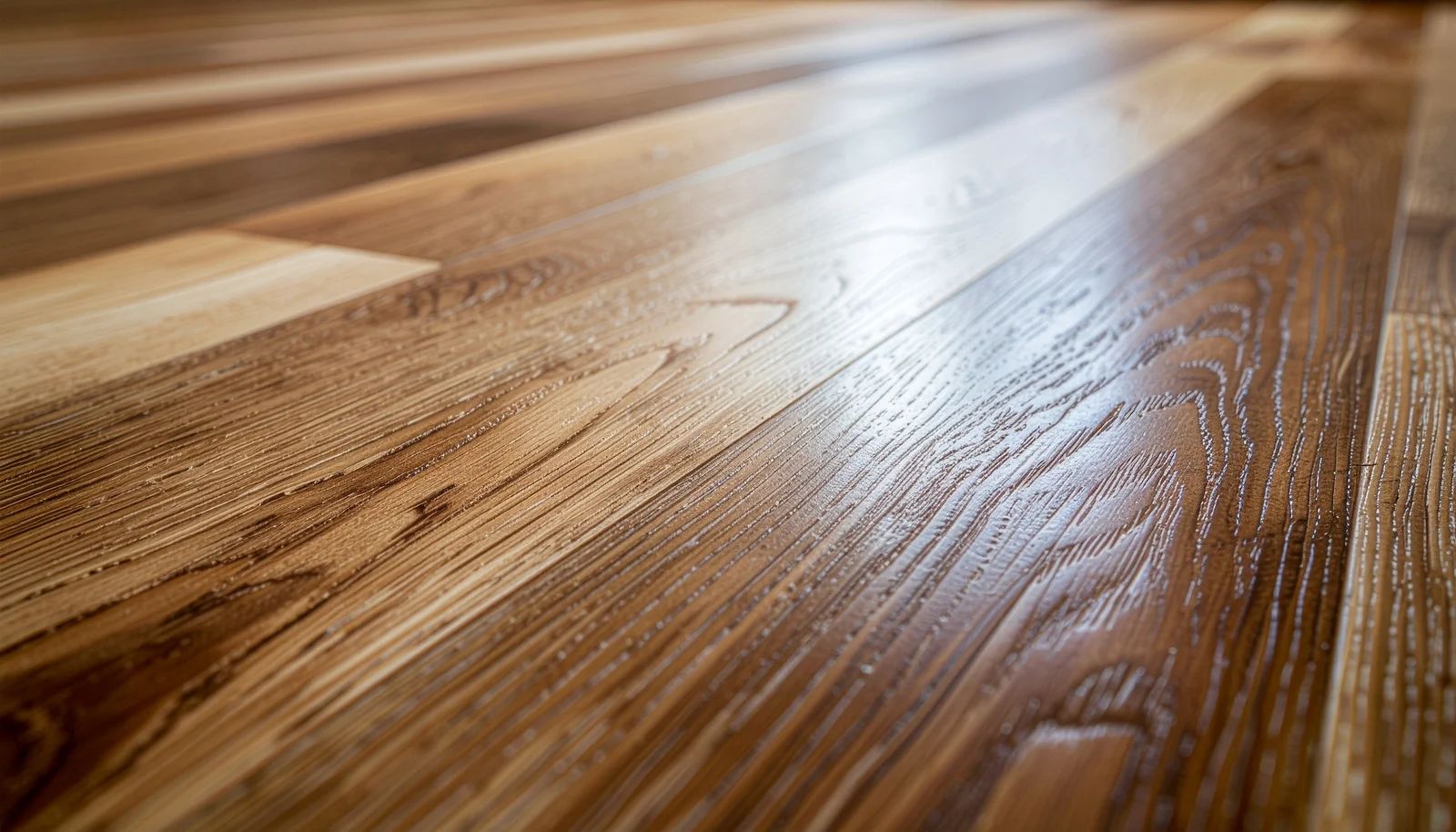
Wooden gym floors are more than just surfaces for physical activity—they are investments that combine functionality, safety, and aesthetics. These floors endure daily wear and tear from athletes, equipment, and heavy foot traffic, and over time, their performance and appearance can decline.
Modern backyard pool with turquoise water and wooden deck planks
April 25, 2026
A pool deck is more than just a functional space around a pool; it is a critical element that enhances the overall aesthetic, safety, and longevity of the pool area. Homeowners, designers, and contractors face the challenge of selecting materials that balance style with durability while providing slip resistance for
A polished hardwood basketball court inside a gymnasium with maroon and white wall banners reading
March 20, 2026
Wooden gym floors face constant stress from shoes, sports equipment, and cleaning chemicals. Over time, minor scratches, scuffs, and dents accumulate.
Close-up of a wood floor. Light and dark brown planks with a glossy finish.
February 26, 2026
Wooden gym floors are more than just surfaces for physical activity—they are investments that combine functionality, safety, and aesthetics. These floors endure daily wear and tear from athletes, equipment, and heavy foot traffic, and over time, their performance and appearance can decline.