Top 7 Pool Deck Materials for Style, Durability, and Safety

April 25, 2026

A pool deck is more than just a functional space around a pool; it is a critical element that enhances the overall aesthetic, safety, and longevity of the pool area. Homeowners, designers, and contractors face the challenge of selecting materials that balance style with durability while providing slip resistance for safety. With an increasing emphasis on outdoor living spaces, choosing the right pool deck material has become a priority for both residential and commercial properties. The decision involves considering climate conditions, maintenance requirements, design preferences, and the level of foot traffic the pool area will experience. A well-chosen pool deck not only complements the surrounding landscape but also increases property value and creates an inviting atmosphere for gatherings, relaxation, and recreation.


The variety of available pool deck materials can make the selection process overwhelming. From natural stone to concrete and advanced composite materials, each option presents unique advantages and potential limitations. Understanding these materials’ characteristics, performance in different environments, and safety features is essential to making an informed choice. This guide provides an in-depth look at the top seven pool deck materials, offering practical insights, real-world applications, and best practices for homeowners and contractors seeking a combination of style, durability, and safety. By evaluating factors such as heat resistance, ease of cleaning, and long-term maintenance, it becomes easier to select a material that not only looks appealing but also stands the test of time.

1. Concrete Pool Decks

  • Stamped Concrete: Style and Versatility

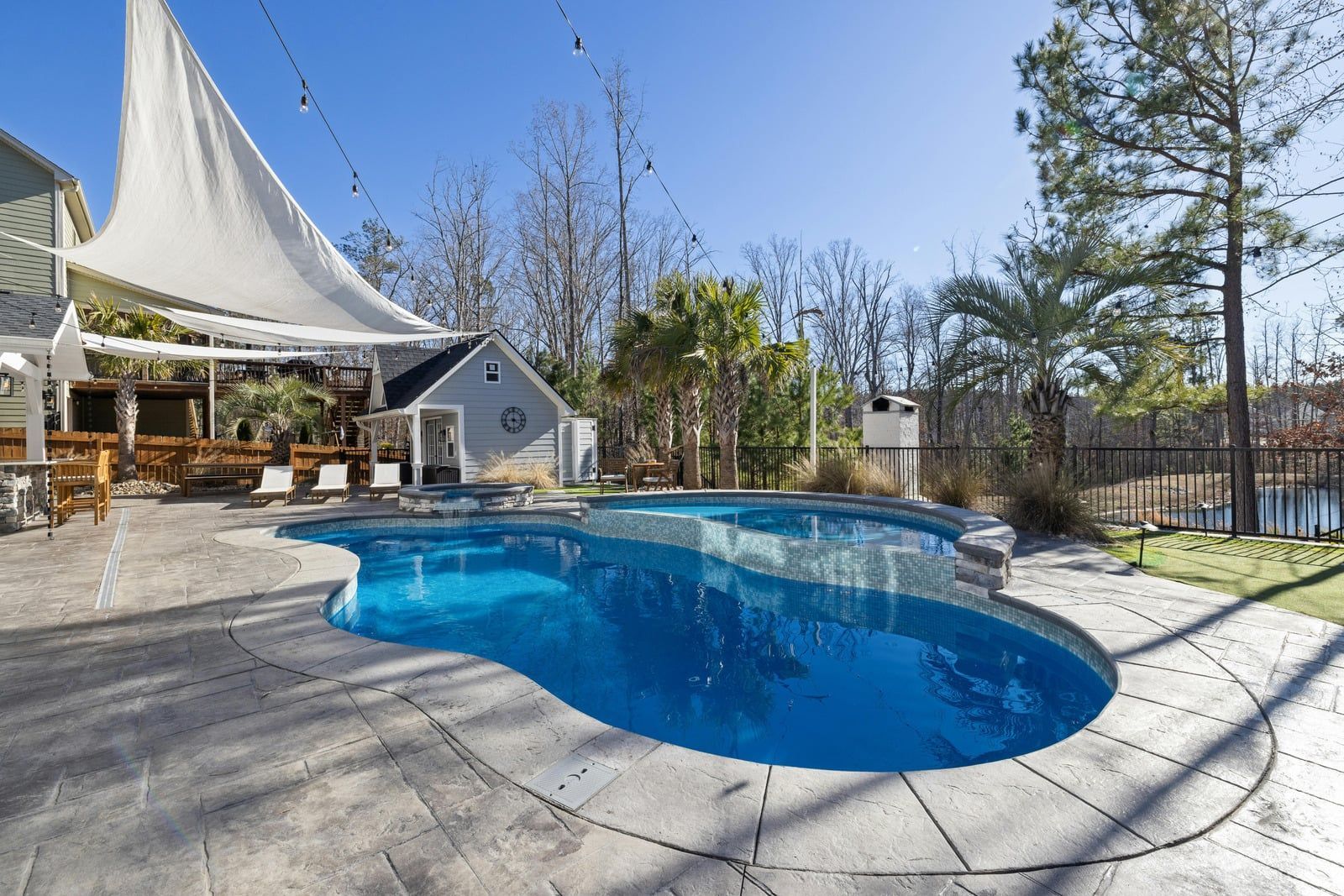
    Stamped concrete offers the appearance of natural stone, brick, or tile without the high cost of sourcing and installation. Patterns and textures can be customized to complement outdoor design themes, providing an elegant, high-end look. Beyond aesthetics, stamped concrete is durable and withstands heavy foot traffic and pool chemicals. Proper sealing enhances resistance to moisture and fading, making it ideal for sunny climates.

  • Exposed Aggregate Concrete: Slip Resistance and Longevity

    Exposed aggregate concrete involves removing the top layer of cement to reveal decorative stones or pebbles. This texture provides excellent slip resistance, making it a safe choice for wet pool areas. It also handles heat well, reducing surface temperature on hot days. Maintenance typically involves periodic cleaning and sealing, but the durability of exposed aggregate ensures that it remains functional and attractive for decades.

  • Best Practices for Concrete Pool Decks

    Concrete decks perform best when installed with professional techniques that ensure proper drainage, expansion joints, and surface finishing. Applying high-quality sealers and anti-slip coatings enhances both longevity and safety. Contractors often recommend combining design features like integrated walkways and raised edges to further reduce slipping hazards.

2. Natural Stone Pool Decks

Travertine: Elegance and Cool Comfort

Travertine is prized for its classic appearance and natural color variations. Its porous surface remains cool underfoot, even in high-temperature regions, making it comfortable for barefoot walking. Travertine is naturally slip-resistant, and with proper sealing, it resists staining and water damage. However, sourcing quality travertine requires careful selection to avoid cracks and inconsistencies that can compromise durability.

Bluestone and Slate: Modern Aesthetics

Bluestone and slate provide a contemporary, sleek look with subtle color variations. These stones are dense, durable, and can withstand harsh weather conditions. Both materials offer natural traction, but maintenance is essential to prevent moss or algae buildup in shaded or damp areas. Routine cleaning and sealing extend the lifespan while maintaining aesthetic appeal.

Installation Considerations for Natural Stone

Natural stone requires precise cutting and leveling during installation to ensure a smooth, safe surface. Using professional-grade adhesives and joint fillers minimizes movement and cracking. Stone pool decks benefit from periodic resealing, which reinforces slip resistance and protects against chemical exposure from pool water.

3. Brick Pool Decks

Permeable Brick Options: Enhanced Safety

Permeable bricks allow water to drain through joints, reducing puddling and slippery surfaces. This feature makes the pool area safer during heavy rainfall or splashing. While brick may require periodic cleaning to prevent mold or moss accumulation, its longevity and classic style make it a reliable choice for residential pools.

Maintenance and Performance Tips

Bricks perform best when laid on a stable, compacted base with proper jointing material to prevent shifting. Routine inspections for loose or cracked bricks and re-sanding joints can prevent hazards and maintain both safety and visual appeal.

4. Composite Decking

  • Material Overview: Durable and Low Maintenance

    Composite decking combines wood fibers with plastic to create a material that mimics natural wood but requires less upkeep. Unlike traditional wood, composite decking resists rot, warping, and insect damage. This makes it a practical choice for pool areas exposed to moisture and sun.

  • Texture and Slip Resistance

    High-quality composite boards include textured surfaces or anti-slip finishes to enhance safety. Unlike smooth wood, these surfaces maintain traction even when wet. Color options and finishes allow for versatile design, including modern or tropical aesthetics.

  • Best Use Practices

    Composite decking performs optimally when installed with proper spacing to allow water drainage and expansion. It is also important to clean the surface regularly to remove algae or debris that could reduce traction. Composite decking offers a long-lasting alternative that combines visual appeal with functional performance.

5. Wood Pool Decks

Pressure-Treated Lumber: Classic Warmth

Wood has a natural warmth and charm that complements outdoor spaces. Pressure-treated lumber resists decay and insect damage, making it suitable for pool environments. Cedar and redwood are popular options for their durability and resistance to moisture.

Exotic Hardwoods: Beauty and Longevity

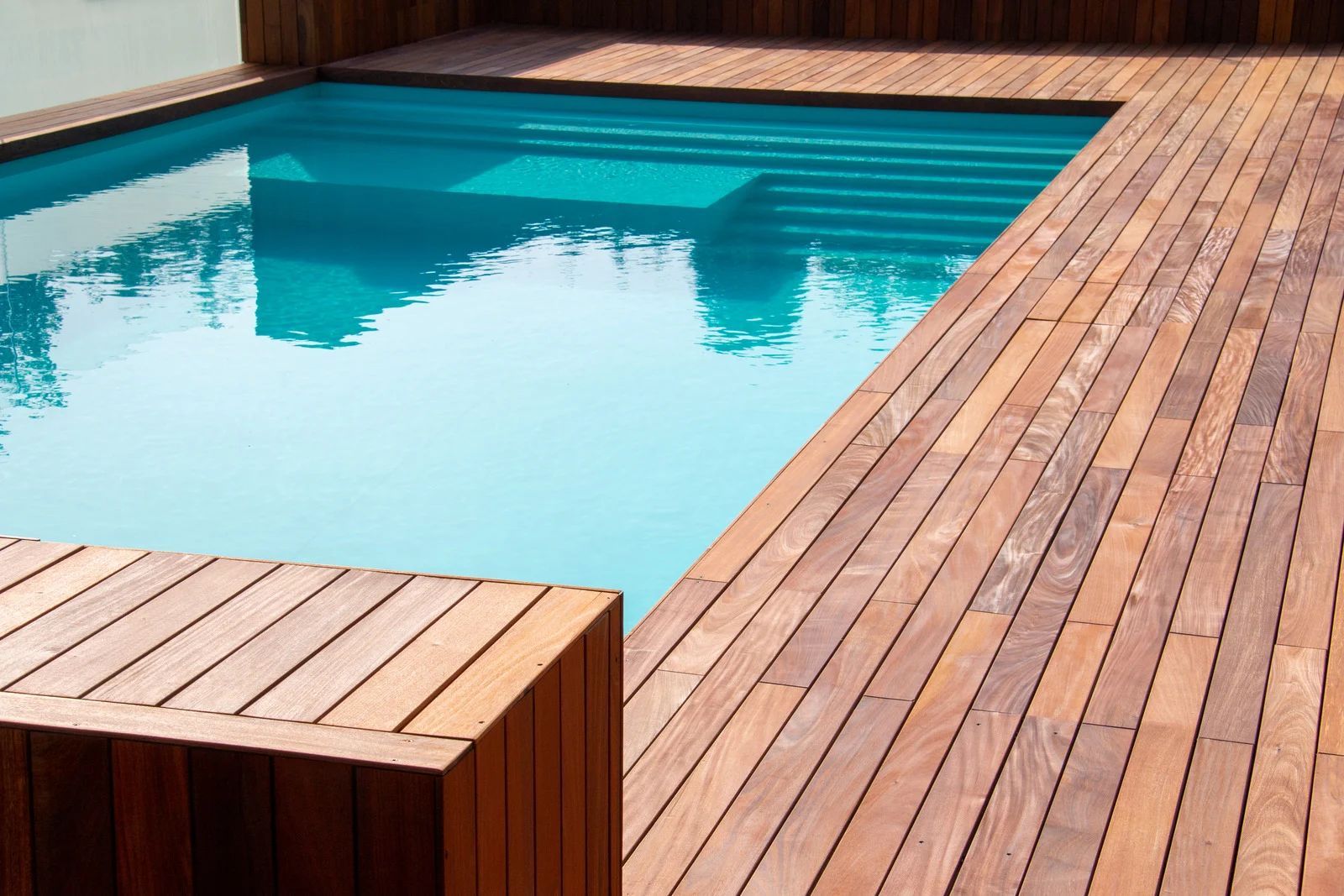
Ipe, teak, and mahogany are dense hardwoods that withstand heavy use and pool chemicals. They offer a rich color palette and maintain structural integrity over time. These woods require regular sealing to protect against fading, splintering, and water damage.

Safety and Maintenance

To maintain safety, pool deck wood should be sanded smooth and treated with non-slip finishes. Regular inspections for cracks, warping, or loose boards prevent hazards. Protective coatings enhance longevity, and routine cleaning minimizes mildew and mold growth.

6. Pavers

  • Concrete Pavers: Versatile and Affordable

    Concrete pavers offer flexibility in design, shape, and color. They can mimic natural stone or brick, providing customizable aesthetics. The modular nature of pavers allows easy replacement of damaged sections without major reconstruction.

  • Permeable and Textured Pavers: Safety First

    Permeable pavers improve drainage and reduce slip hazards by allowing water to filter through joints. Textured or grooved surfaces further enhance traction. These pavers are durable, handle temperature changes well, and provide an affordable option for both large and small pool areas.

  • Installation and Maintenance Recommendations

    For best results, pavers should be installed on a stable base with adequate sand or gravel bedding. Regular cleaning and joint replenishment prevent weed growth and maintain even surfaces. Pavers also allow for expansion and contraction without cracking, reducing long-term maintenance needs.

7. Rubber and Synthetic Decking

Rubber Decking: Comfort and Safety

Rubber pool decking provides a cushioned surface that is soft underfoot, reducing the risk of injuries from slips or falls. Made from recycled materials, it is environmentally friendly and absorbs impact well. Rubber decking also remains cool under sunlight, adding comfort for barefoot users.

Synthetic Materials: Modern and Low Maintenance

Synthetic pool deck materials, including plastic composites and poured resin systems, offer consistent color, texture, and durability. Anti-slip coatings and embedded textures improve safety. These materials are resistant to stains, UV damage, and chemical exposure from pool water, making them ideal for high-use areas.

Installation Insights

Proper sub-base preparation is essential for rubber and synthetic decks to ensure drainage and stability. Professional installation ensures a smooth, level surface, while routine cleaning removes dirt and algae. These materials provide long-term performance with minimal maintenance.

Experienced Professionals Crafting Durable Pool Deck Designs

Choosing the right pool deck material is a decision that balances style, safety, durability, and maintenance. From the elegance of natural stone to the practical benefits of concrete, pavers, and composite decking, each material offers unique advantages tailored to specific needs and environments. Safety considerations, climate suitability, and long-term maintenance are critical in determining which material will provide the best performance and aesthetic appeal for years to come.


At Gulf Coast Concrete Coatings LLC, our expertise spans over 18 years in designing, installing, and maintaining high-quality flooring solutions, including pool decks. Based in Pascagoula, Mississippi, we understand the importance of combining functionality with visual appeal. Our experience allows us to recommend and implement materials that meet client expectations for durability, safety, and style. We provide personalized guidance to ensure every pool deck not only complements its surroundings but also withstands environmental challenges and heavy use. By choosing us, pool owners gain access to proven techniques, superior materials, and professional insights that guarantee satisfaction. Trust in Gulf Coast Concrete Coatings LLC to transform pool areas into safe, attractive, and long-lasting outdoor spaces, backed by years of hands-on experience in high-performance flooring solutions.

A polished hardwood basketball court inside a gymnasium with maroon and white wall banners reading
March 20, 2026
Wooden gym floors face constant stress from shoes, sports equipment, and cleaning chemicals. Over time, minor scratches, scuffs, and dents accumulate.
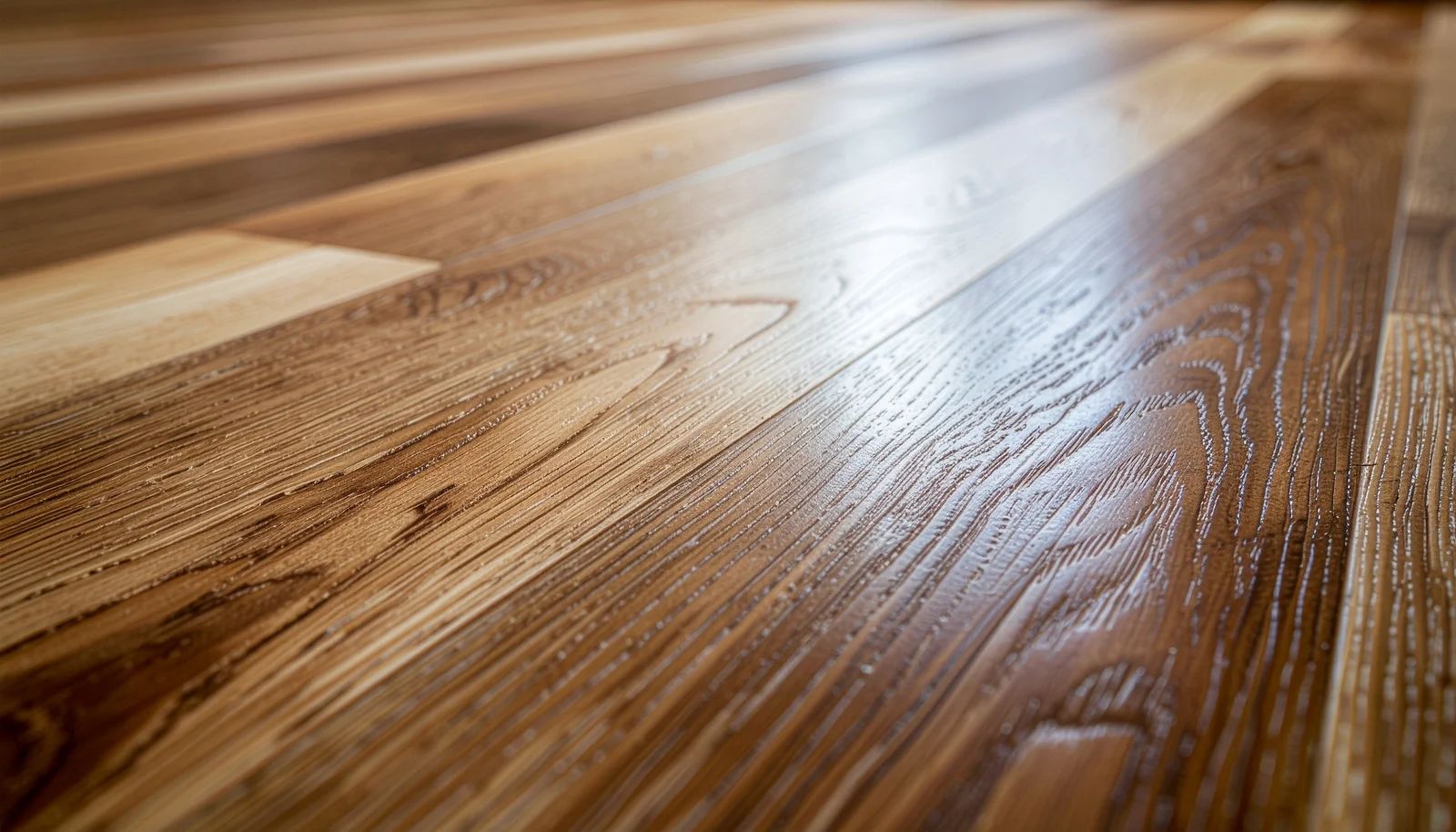
Close-up of a wood floor. Light and dark brown planks with a glossy finish.
February 26, 2026
Wooden gym floors are more than just surfaces for physical activity—they are investments that combine functionality, safety, and aesthetics. These floors endure daily wear and tear from athletes, equipment, and heavy foot traffic, and over time, their performance and appearance can decline.
A polished hardwood basketball court inside a gymnasium with maroon and white wall banners reading
March 20, 2026
Wooden gym floors face constant stress from shoes, sports equipment, and cleaning chemicals. Over time, minor scratches, scuffs, and dents accumulate.
Close-up of a wood floor. Light and dark brown planks with a glossy finish.
February 26, 2026
Wooden gym floors are more than just surfaces for physical activity—they are investments that combine functionality, safety, and aesthetics. These floors endure daily wear and tear from athletes, equipment, and heavy foot traffic, and over time, their performance and appearance can decline.